- Plot No: 22, Super Market, Kalaburagi
- Mon - Sat 8.00 - 18.00. Sunday CLOSED


Orthopaedics and Joint Replacement
Introduction
Bone and joint surgery is a sub-specialty of orthopedic surgery focusing on diagnosing and treating conditions related to the musculoskeletal system, especially the bones and joints. This surgical specialty deals with various conditions affecting the body’s bones, joints, ligaments, tendons, and muscles. The field has witnessed remarkable advancements in recent years, ranging from treating fractures and joint diseases to complex reconstructions.
Procedures in Bone and Joint Surgery
Bone and joint surgery procedures aim to reduce pain, restore normal mobility, and improve patients’ quality of life. They include:
1. Fracture Repair: This procedure is recommended to realign cracked bones and secure and stabilize them with plates, screws, or rods to initiate optimal healing.
2. Joint Replacement: This procedure involves removing damaged or arthritic joints, such as the hip, knee, elbow, ankle, or shoulder, and replacing them with artificial implants called prostheses made of metal, plastic, or ceramic.
3. Arthroscopy: This minimally invasive procedure involves inserting a small camera (arthroscope) into an affected joint through a tiny incision. Arthroscopy helps diagnose and treat joint conditions like torn cartilage, ligament injuries, and joint inflammation.
4. Spinal Surgery: Spine surgery is required to treat conditions like herniated discs, spinal stenosis, scoliosis, or spinal fractures.
5. Ligament and Tendon Repair: This surgical procedure may be required to repair or reconstruct torn ligaments or tendons.
6. Correction of Congenital Deformities: This surgery helps correct musculoskeletal deformities at birth, like clubfoot or hip dysplasia.
7. Fusion Surgery: Fusion surgery is performed to permanently join two or more bones to stabilize an area affected by bone degeneration.
Steps Involved in the Surgical Procedure
Before the Surgery:
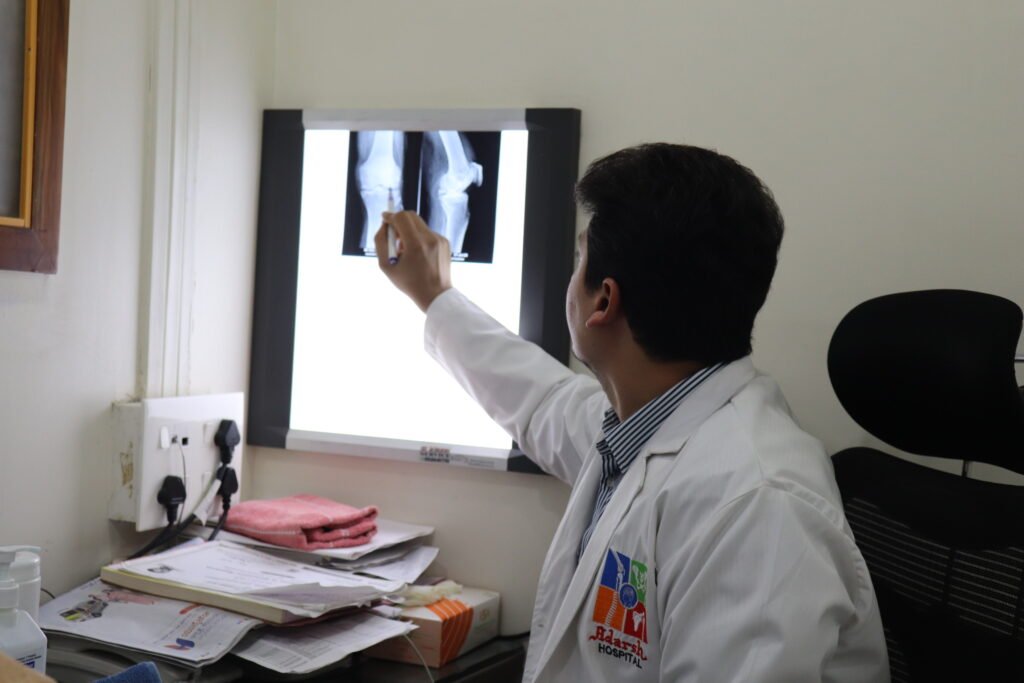
1. The surgeon evaluates the patient’s medical history, performs a physical examination, and reviews imaging investigations for adequate diagnosis and treatment.
2. If surgery is recommended, the patient undergoes necessary investigations, such as blood tests and an electrocardiogram (ECG), to ensure they are medically fit for surgery.
3. The surgeon provides detailed instructions on preoperative preparations, like fasting or stopping certain medicines, etc.
During the Surgery:
1. Anesthesia is administered depending on the procedure and the patient’s medical condition.
2. Surgery is performed as per the established protocols.
3. In some cases, intraoperative imaging techniques such as fluoroscopy or intraoperative CT scans may be used to guide the surgeon during the procedure.
After the Surgery:
1. After the surgery, the patient’s vitals are closely monitored, and appropriate pain management measures are used.
2. The surgeon recommends required therapies depending on the type of surgery and the patient’s condition.
3. Medications and techniques like ice packs, elevation, and relaxation procedures are given for alleviating pain.
4. Detailed instructions on wound care, activity limitations, medications, and follow-up appointments are given.
5. Most people need to rest at home for a few weeks after the procedure, depending on the type of surgery, physical activity level before the surgery, age, and medical conditions.
The multidisciplinary approach, advanced diagnostics and surgical expertise, and comprehensive rehabilitation associated with bone and joint surgeries provide transformative solutions for people with musculoskeletal disorders. Adarsh Hospital has been redefining the boundaries of bone and joint treatment, ushering in an era of precision medicine and personalized care.

Emergency Cases
+91 99641 48001
Our Dedicated Doctor
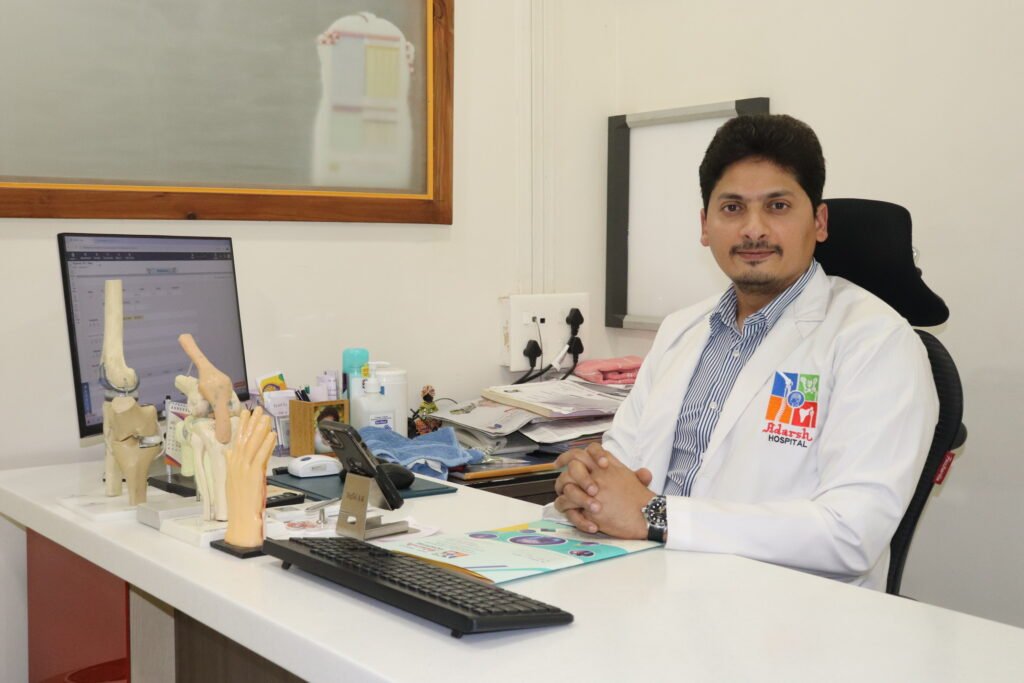
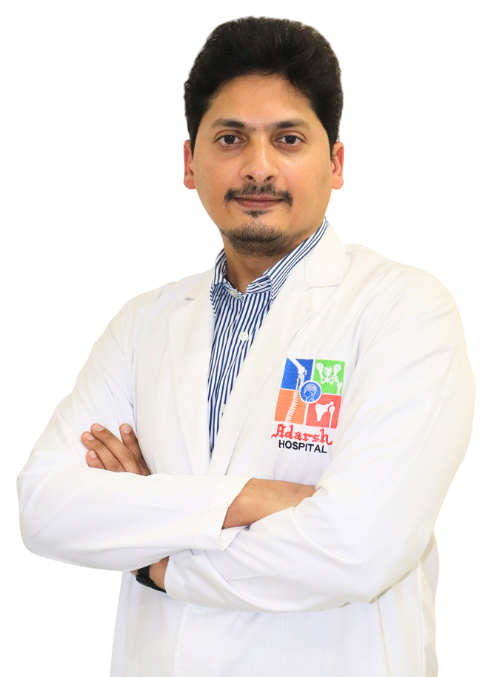
Dr. Alok C. Patil
MS Ortho, FIKS (London)
CONSULTANT ORTHOPAEDICIAN
Our Testimonial
Our Patients
“Well-managed hospital”
Adarsh Hospital was well-managed, and the staff ensured everything went smoothly during our visit. We are fully satisfied with the care and services provided.
Sanjeevkumar KoodiPatient
From first opd consultation to post operative surgery staff cared well, hospital maintenance is well , understanding the disease to patients is soo good thank you dr Alok patil sir.
Kamala BaiPatient
It's my first review after my surgery I have never ever seen one of the best hospital Adarsh hospital which is located in super market in Kalyan karanataka kalburgi region Dr alok is one of the best doctor I request all kalyan people take benifits visit this hospital for better treatment. And with well trained staff people are very friendly good.
Shrikanth BtPatient 
+91 99641 48001
Call us now

Info@adarshhospital.com
Drop us an email

24 X 7 support
We are open on

Quick Links
- About Us
- Make Appointments
- Customer Treatments
- Consulting your health
- Our Doctors Team
Our Services
- Surgery
- Cardiology
- Pediatric
- Anesthesiology
- Psychological